Every business, data center, and telecom provider today depends on reliable networks. In regions like the UAE, Saudi Arabia, Oman, Iraq, Azerbaijan, Tanzania, and Congo (DRC), the demand for resilient, high‑performance connectivity is growing fast.
Whether you’re upgrading an enterprise network or building a new connectivity backbone, the choice between single mode fiber and multimode fiber is crucial.
But how do you decide which is right for your project?
In this in‑depth guide, we’ll walk you through the key differences, benefits, installation insights, future trends, and practical tips for choosing the right fiber for your business, especially if you’re in UAE, GCC countries, or African markets. By the end, you’ll understand not just what these fiber types are, but how they affect network cost, performance, scalability, and long‑term value.
What Is Structured Cabling?
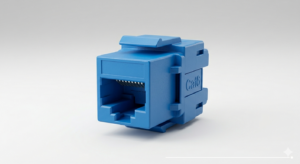
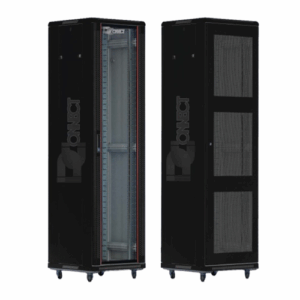
Structured cabling is a standardized network wiring system that organizes and supports all your communications from fiber optics to Ethernet in a clean, scalable, and efficient way. It ensures reliable performance for data, voice, video, and security systems across homes, offices, and campuses.Structured cabling connects all network components in a building using standardized wiring for peak performance.
What is Fiber Optic Cable?
Fiber optic cable uses light to transmit data at extremely high speeds and over long distances. Unlike traditional copper cabling, fiber is not affected by electromagnetic interference and can support much higher bandwidth, making it ideal for modern internet, cloud computing, and enterprise infrastructure.
There are two main types:
- Single Mode Fiber (SMF)
- Multimode Fiber (MMF)
Let’s break down both.
Single Mode vs Multimode Fiber – Direct Comparison
Single Mode Fiber (SMF)
Definition:
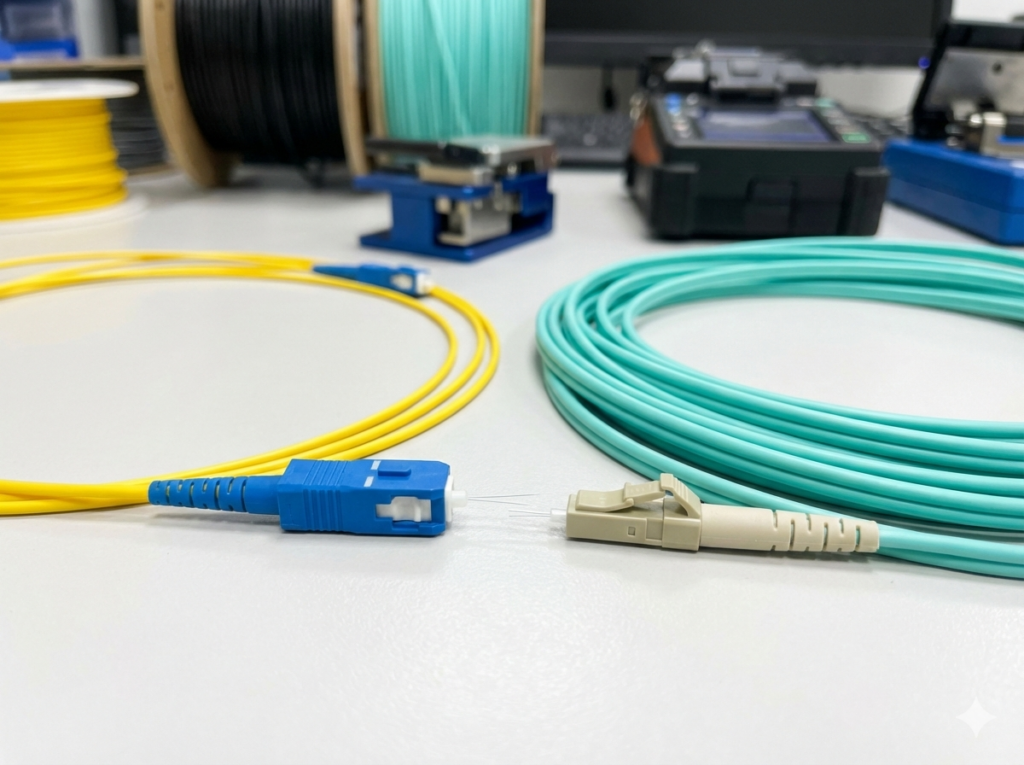
Single mode fiber has a very small core (8–10 µm) that allows one light path. This means the signal travels straight with minimal dispersion.
How it works:
A laser source sends light through the core, enabling it to travel long distances without losing quality.
Best for:
✔ Long‑range connections (metro, national, and international links)
✔ High bandwidth applications (cloud services, data hubs)
✔ Telecom backbone installations
Benefits:
- Supports distances up to 80–100+ km with powerful lasers
- Stable, low latency, and high performance
- Ideal for carrier networks and large campuses
Considerations:
- Higher cost transceiver modules
- Requires experienced installers
Multimode Fiber (MMF)
Definition:
Multimode fiber has a wider core (about 50–62.5 µm) that allows multiple light paths (modes).
How it works:
Light spreads through the core in various angles, perfect for short distances.
Best for:
✔ Data centers
✔ Office LANs
✔ Short‑haul campus links
Benefits:
- Lower‑cost components
- Easier termination and installation
- Great for distances up to 500–600 meters
Considerations:
- Limited reach compared to single mode
- More susceptible to modal dispersion over long links
Side‑by‑Side Feature Comparison
| Feature | Single Mode | Multimode |
| Core Size | ~8–10 µm | 50–62.5 µm |
| Distance | Long (10–100+ km) | Short (up to ~600 m) |
| Bandwidth | Very high | Moderate |
| Transceiver Cost | Higher | Lower |
| Installation Complexity | Higher | Easier |
| Best For | Telco, long links | LAN, data centers |
Why This Matters for UAE, GCC & African Markets
1. Rapid Urbanization & Smart Cities
Countries like UAE and Saudi Arabia are investing in smart city initiatives with cloud‑based services, AI analytics, and IoT systems. These rely on fiber networks that can handle high traffic and low latency.
For long inter‑city links, single mode fiber often delivers the best performance.
2. Growing Data Centers (Bahrain, Oman, Iraq)
Data centers demand huge bandwidth internally and require both fiber types, often multimode fiber within racks and single mode for external feeds.
According to industry forecasts, global demand for high‑bandwidth networks is growing over 30% annually, driven by video, cloud, and mobile usage.
How Fiber Installation Works (Step by Step)
Fiber installation involves careful planning and execution:
- Site Survey
- Understand distances, obstacles, and future expansion.
- Cable Route Design
- Mapping ducts, conduits, risers, and cable trays.
- Fiber Pulling & Placement
- Low‑tension pulling to avoid damage.
- Termination & Splicing
- Precision tools and clean environments.
- Testing & Certification
- OTDR and power meters confirm quality.
💡 Pro Tip: Insist on installation certification with test results, it saves headaches later.
Cost Elements – What Buyers Should Know
Your total fiber project cost includes:
- Cables
- Transceivers
- Connectors
- Installation labor
- Certification tools
While single mode cables are often similar in price to multimode, the optical modules (SFPs/GBICs) in single mode are more expensive. However, over longer distances, they eliminate repeaters and additional hardware, lowering overall infrastructure costs long‑term.
Fiber for Structured Cabling Systems
Because structured cabling organizes all voice and data cables neatly and supports scalability:
✔ Fiber becomes the backbone
✔ Copper Ethernet handles shorter endpoints
✔ Future upgrades are easier with patch panels and standardized layouts
This results in lower maintenance, easier troubleshooting, and longer system life.
Future Trends That Buyers Should Know
1. 400G and Beyond
Networks are moving to 400G, 800G, and Tbps speeds — often supported by single mode systems.
2. Converged Networks
Fiber supports unified voice, video, and data traffic with better security and speed.
3. IoT & AI Growth
More devices mean heavier data loads, requiring scalable fiber backbones.
FAQ
1. What is single mode fiber?
Single mode fiber uses a narrow core that allows one light path for long‑distance data transmission with high bandwidth.
2. What is multimode fiber?
Multimode fiber has a larger core that carries multiple light rays, best suited for short distance networks like data centers and office LANs.
3. Which fiber is better for long distances?
Single mode fiber performs better over long distances (over 10 km) thanks to minimal signal loss.
4. Can I use multimode fiber for long distances?
Multimode is not recommended for long distances because signal quality drops due to modal dispersion.
5. Is single mode more expensive?
Single mode transceivers tend to cost more, but they save money over long distances with fewer components.
6. How do I choose between single mode and multimode?
Choose based on distance needs, bandwidth requirements, and future growth plans.
7. What tools are needed for fiber installation?
Fiber installers use OTDR testers, fusion splicers, and precision connectors.
8. Is fiber better than copper cabling?
Yes, fiber offers higher speeds, longer reach, and fewer interference issues than copper.
9. Are both fiber types supported in structured cabling?
Absolutely, structured cabling systems use both as part of an integrated network.
10. Can I mix single mode and multimode in one network?
Yes, but you need media converters or disciplined equipment matching.
Conclusion – Expert Takeaways
Choosing between single mode vs multimode fiber isn’t just a technical decision, it’s a business one. In regions like UAE, GCC, Iraq, Oman, Saudi Arabia, Azerbaijan, Tanzania, and Congo, infrastructure demands differ, but smart planning leads to:
✔ Lower long‑term costs
✔ Better scalability
✔ Faster, more reliable networks
Talk to trained fiber experts to design, deploy, and certify your installation, because future readiness matters.
Ready to future‑proof your network with the right fiber solution?
Visit us, call us, or order now to get expert advice and professional services.